Homeowners seeking a fresh, cohesive look for their exteriors turn to modern roof and siding color combinations because the right palette can instantly boost curb appeal, improve energy efficiency, and increase home resale value. By pairing a contemporary roof hue with a complementary siding shade, you create visual harmony that stands out in any neighborhood, while also meeting the performance demands of today’s building standards. For a deeper dive into how roof materials interact with siding, see our Vinyl Siding and Roof Combinations 2026: Expert Guide to Optimal Pairings, Energy Savings & ROI for proven pairings and ROI insights.
Why Color Coordination Matters in Modern Exteriors
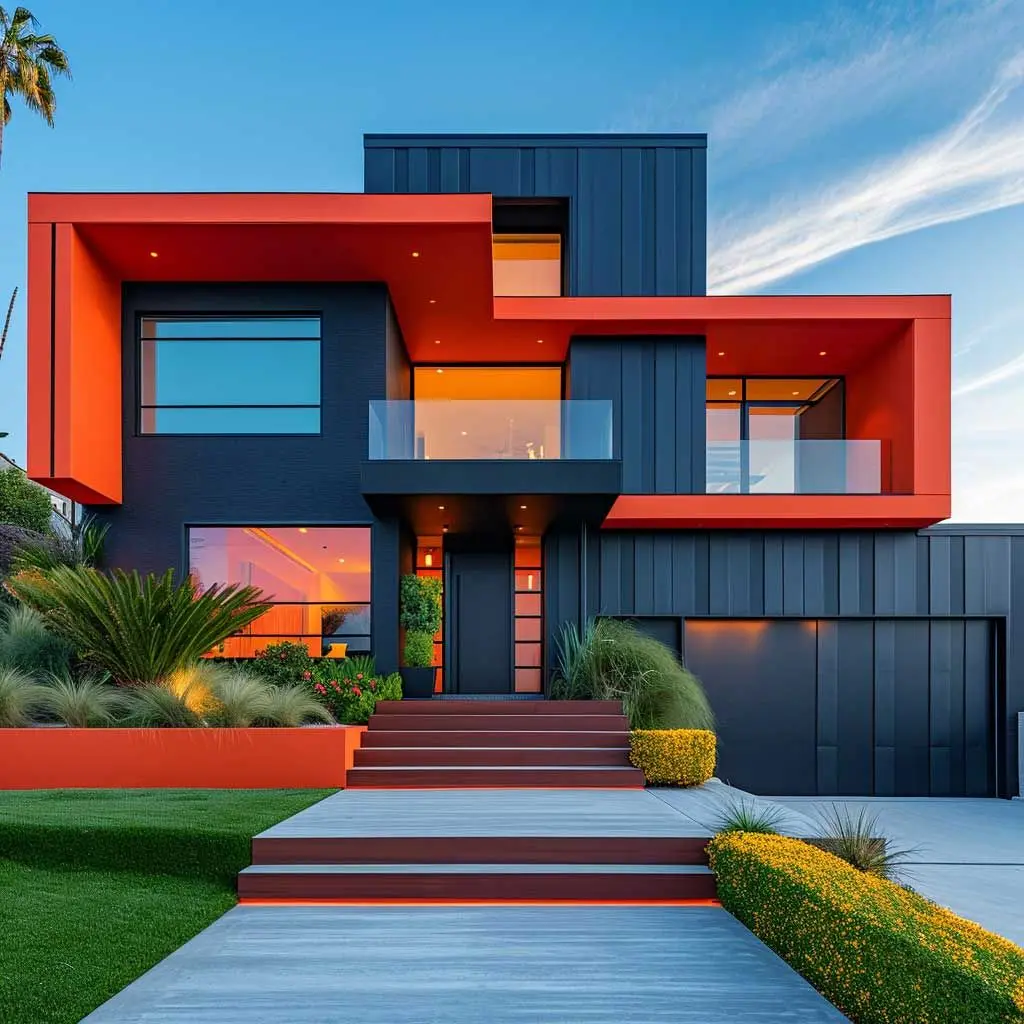
Exterior color trends in 2026 emphasize contrast balanced with subtlety. A well‑chosen roof color palette not only frames the house but also influences perceived size and architectural style. Light‑toned roofs can make a two‑story home appear taller, while darker shingles ground a structure, adding a sense of stability. Meanwhile, siding colors that echo natural materials—such as muted earth tones or crisp neutrals—enhance the overall aesthetic and help the property blend with its surroundings, a key factor for neighborhoods with strict design guidelines.
Top Modern Roof and Siding Pairings for 2026
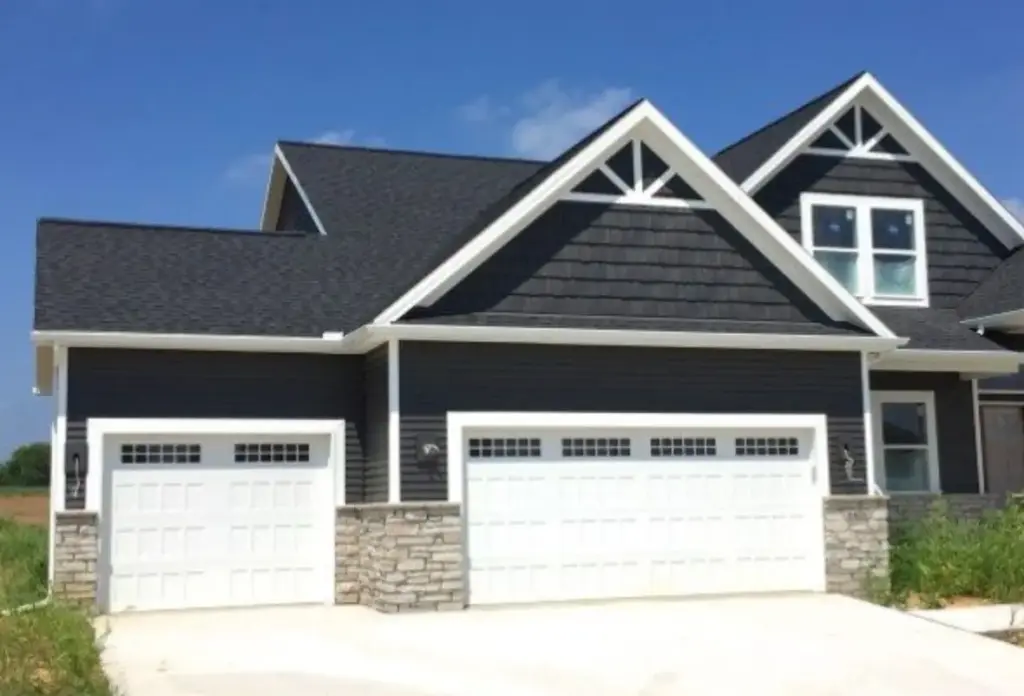
Based on data from the National Association of Home Builders (NAHB) 2026 market survey, the following combinations have emerged as the most popular among architects and builders looking for a blend of style and performance.
Table of Contents
- Why Color Coordination Matters in Modern Exteriors
- Top Modern Roof and Siding Pairings for 2026
- 1. Charcoal Slate Roof + Warm Greige Siding
- 2. Soft Olive Green Roof + Creamy White Siding
- 3. Deep Navy Roof + Light Taupe Siding
- 4. Weathered Copper Roof + Slate Gray Siding
- 5. Matte Black Roof + Charcoal‑Blue Siding
- Key Factors to Consider When Selecting a Combination
- Visualizing and Testing Your Palette
- Common Mistakes and How to Avoid Them
- Frequently Asked Questions
- What roof color is best for energy efficiency?
- Can I change my roof color without replacing the entire roof?
- How do I ensure my color combination adds to my home’s resale value?
- Is there a financial incentive for choosing energy‑efficient siding?
- Putting It All Together: A Step‑by‑Step Action Plan
- Conclusion
1. Charcoal Slate Roof + Warm Greige Siding
Charcoal slate offers a sophisticated, almost industrial feel, while warm greige (a mix of gray and beige) provides a welcoming backdrop. This pairing works especially well with modern farmhouse designs, where the contrast accentuates clean lines. Energy‑efficient siding options, such as insulated vinyl, further reduce heat transfer, keeping interiors comfortable year‑round.
2. Soft Olive Green Roof + Creamy White Siding
Olive roofs draw inspiration from Mediterranean villas and pair beautifully with crisp white siding to create a fresh, airy look. The subtle green hue reduces glare, which can help lower cooling costs in sunny climates. According to the U.S. Department of Energy, reflective roofing combined with light‑colored siding can improve overall energy performance by up to 15%.
3. Deep Navy Roof + Light Taupe Siding
Deep navy is a bold choice that adds drama without overwhelming the facade. Light taupe siding softens the visual impact, making the house feel approachable. This combination is favored in coastal regions where the navy mirrors the sea, while taupe mimics sand, reinforcing a natural coastal aesthetic.
4. Weathered Copper Roof + Slate Gray Siding
Weathered copper develops a patina over time, shifting from bright metal to a distinguished green‑brown tone. Pairing it with slate gray siding creates a timeless, luxury look that aligns with the “Luxury Roofing Materials for Modern Homes” trend highlighted in our Luxury Roofing Materials for Modern Homes: Expert Guide to Premium Choices & ROI. The metallic roof also reflects solar radiation, contributing to energy savings.
5. Matte Black Roof + Charcoal‑Blue Siding
Matte black roofs are gaining traction for their sleek, minimalist vibe. When combined with a charcoal‑blue siding—an off‑black shade with a hint of blue—the result is a monochromatic scheme that feels both modern and sophisticated. This pairing works best on contemporary homes with large glass expanses, as it creates a striking contrast without clashing.
Key Factors to Consider When Selecting a Combination
Choosing the right colors goes beyond aesthetics; several practical considerations should guide your decision.
- Climate and Solar Exposure: In hot regions, lighter roof colors reflect more sunlight, reducing cooling loads. Conversely, darker roofs can help retain heat in colder climates.
- Material Compatibility: Some roofing materials, such as metal or tile, offer a broader color range than asphalt shingles. Ensure the siding material you select—whether fiber‑cement, vinyl, or wood‑clad—can be finished in the desired hue without compromising durability.
- Energy‑Efficient Siding Options: Insulated vinyl and fiber‑cement siding not only provide a smooth canvas for color but also enhance R‑value, contributing to overall energy savings—a point emphasized in the Energy‑Efficient Roofing and Siding: Expert Guide to Savings, Materials & ROI in 2026 article.
- Neighborhood Guidelines: Many HOAs enforce color palettes to maintain visual harmony. Verify allowable colors before finalizing your selection.
- Resale Impact: Studies from Zillow 2026 indicate that homes with coordinated roof‑siding color schemes sell, on average, 5% faster and at a 3% premium compared to mismatched exteriors.
Visualizing and Testing Your Palette
Before committing to paint or new materials, use digital visualization tools to preview the combination on your home’s façade. Many manufacturers provide online configurators that let you upload a photo and apply different roof and siding colors in real time. For a tactile approach, purchase small sample panels of both roof shingle and siding material. Place them side by side on a piece of plywood and view them at different times of day; this helps you gauge how the colors shift under varying light conditions.
Common Mistakes and How to Avoid Them
Even seasoned homeowners can slip up when selecting exterior colors. Below are frequent errors and practical remedies.
- Over‑Contrasting Shades: Pairing an ultra‑bright roof with a neon siding can look garish. Aim for a balance where one element serves as the accent, not the competition.
- Ignoring Architectural Style: A modern, flat‑roofed home paired with a traditional, rustic roof color may create visual dissonance. Align color choices with the architectural language of the house.
- Neglecting Maintenance: Darker colors show dirt and algae buildup more readily, requiring more frequent cleaning. Consider low‑maintenance finishes if you prefer a hands‑off approach.
- Skipping Professional Consultation: A qualified exterior designer can provide insight into local trends and material performance. Their expertise can prevent costly re‑paints down the line.
Frequently Asked Questions
What roof color is best for energy efficiency?
Light, reflective colors such as soft olive green or pale gray tend to reduce solar heat gain, especially when paired with high‑R‑value siding. Metal roofs with reflective coatings also contribute significantly to cooling cost reductions.
Can I change my roof color without replacing the entire roof?
Yes, certain roofing materials like metal panels can be repainted with specialty roof paints designed for durability. However, asphalt shingles are less amenable to repainting and usually require replacement for a new color.
How do I ensure my color combination adds to my home’s resale value?
Stick to timeless palettes that complement the surrounding environment and follow local market trends. Neutral siding paired with a subtle roof hue is a safe bet, while bold accents should be limited to architectural features like trim or shutters.
Is there a financial incentive for choosing energy‑efficient siding?
Many states offer tax credits for installing insulated siding that meets ENERGY STAR standards. Check with your local energy authority for up‑to‑date rebate programs.
Putting It All Together: A Step‑by‑Step Action Plan
- Assess Your Home’s Style: Identify whether your property leans modern, traditional, or transitional.
- Research Climate‑Specific Colors: Use regional data (e.g., NOAA climate zones) to select roof colors that enhance thermal performance.
- Choose Complementary Siding: Pair the roof hue with a siding shade that either matches or provides a calculated contrast, keeping curb appeal in mind.
- Order Samples: Obtain small swatches of both roofing and siding materials to view them side by side in natural light.
- Consult Professionals: Engage a reputable contractor—refer to our Best Roofing and Siding Company 2026: Expert Guide to Choosing, Financing & Long‑Term Value—to verify material compatibility and obtain accurate cost estimates.
- Finalize Financing: Explore financing options detailed in Roof and Siding Financing 2026: Smart Strategies, Options & Savings Guide to spread costs over manageable terms.
- Schedule Installation: Plan installation during mild weather windows to ensure optimal material handling and curing.
- Maintain Regularly: Keep gutters clean and perform annual inspections to preserve both aesthetic appeal and structural integrity.
Conclusion
Modern roof and siding color combinations are more than a design trend; they are a strategic investment that enhances curb appeal, boosts energy performance, and positively influences resale value. By understanding the interplay of color theory, material science, and regional climate, homeowners can make informed decisions that stand the test of time. Whether you opt for a daring deep navy roof with charcoal‑blue siding or a classic charcoal slate with warm greige panels, the right combination will transform your home’s exterior into a statement of contemporary elegance.