Homeowners and builders seeking to cut utility bills while meeting stricter building codes turn to energy‑efficient roofing and siding as the most immediate way to improve a building’s thermal performance. By selecting materials that reflect solar heat, reduce air infiltration, and provide superior insulation, you can achieve measurable energy savings—often 10‑30 % per year—without sacrificing durability or curb appeal. This guide explains the science, the latest product options, and the financial incentives that make green building materials a smart investment.
Why Energy‑Efficient Roofing and Siding Matter in 2026
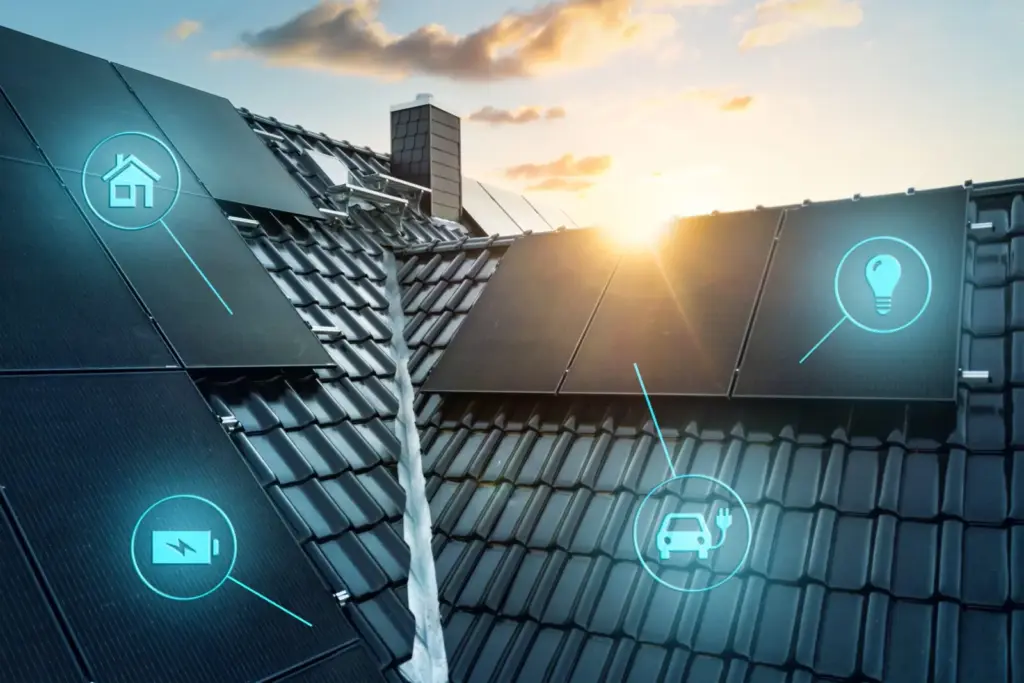
According to the U.S. Department of Energy’s 2025 Residential Energy Consumption Survey, roofs and exterior walls account for roughly 45 % of a home’s heating and cooling load. As climate change intensifies, regions across the United States are experiencing hotter summers and colder winters, increasing reliance on HVAC systems. Upgrading to high‑performance roofing and siding not only lowers energy consumption but also helps meet the 2026 International Energy Conservation Code (IECC) requirements for a lower U‑factor and higher R‑value across building envelopes.
Core Technologies Behind Energy‑Efficient Roofs
Cool Roof Coatings
Cool roof technology uses reflective pigments and ceramic beads to increase solar reflectance (SR) while maintaining high thermal emittance. The ENERGY STAR program reports that cool roofs can lower indoor temperatures by 5‑10 °F, reducing air‑conditioning demand by up to 20 % in hot climates. Modern acrylic and silicone‑based cool coatings are now available in a broader color palette, allowing homeowners to retain aesthetic flexibility without compromising performance.
Table of Contents
- Why Energy‑Efficient Roofing and Siding Matter in 2026
- Core Technologies Behind Energy‑Efficient Roofs
- Cool Roof Coatings
- Metal Roofing with Integrated Insulation
- Solar‑Ready Roof Systems
- Energy‑Saving Siding Options
- Foam‑Backed Vinyl and Fiber‑Cement Panels
- Insulated Metal Siding
- Recycled Wood and Composite Siding
- Financial Incentives and ROI Calculations
- Choosing the Right Contractor
- Common Pitfalls and How to Avoid Them
- Neglecting Air Sealing
- Improper Ventilation
- Overlooking Climate Specifics
- Case Study: A Net‑Zero Retrofit in Phoenix, AZ
- Future Trends to Watch
- Actionable Checklist for Homeowners
Metal Roofing with Integrated Insulation
Metal panels combined with built‑in thermal breaks, such as insulated underlayment, deliver a superior U‑factor of 0.20 W/m²·K, rivaling traditional built‑up roofs. The Metal Roofing and Siding 2026: Complete Cost, Durability & Installation Guide notes that the life‑cycle cost of insulated metal roofs is often lower than asphalt shingles when factoring in energy savings and reduced maintenance.
Solar‑Ready Roof Systems
Integrated photovoltaic (PV) shingles, like those from SunPower and Tesla, serve dual purposes: generating electricity and providing a weather‑tight envelope. While initial costs remain higher, the Investment Tax Credit (ITC) of 30 % through 2032 makes solar‑ready roofs financially attractive, especially when paired with high‑efficiency siding that reduces heat gain.
Energy‑Saving Siding Options
Foam‑Backed Vinyl and Fiber‑Cement Panels
Advanced foam‑backed vinyl siding incorporates expanded polystyrene (EPS) cores that boost R‑values to 5‑6 per inch, compared with traditional 2‑3. Fiber‑cement panels, reinforced with cellulose fibers, offer a comparable R‑value while providing superior fire resistance and durability against windborne debris—a critical factor highlighted in the Storm Damage Roof Repair 2026: Expert Strategies article.
Insulated Metal Siding
Like metal roofing, insulated metal siding features a continuous layer of rigid foam, delivering a thermal break that reduces heat flow through the wall assembly. According to a 2025 study by the National Association of Home Builders (NAHB), homes with insulated metal siding experience up to 12 % lower heating and cooling costs.
Recycled Wood and Composite Siding
Products made from reclaimed wood fibers and recycled plastics not only lower the embodied carbon of a project but also provide natural thermal mass. When installed with proper air‑barrier membranes, these materials can achieve a U‑factor as low as 0.30 W/m²·K, comparable to premium engineered wood sidings.
Financial Incentives and ROI Calculations
Federal and state programs continue to reward energy‑efficient upgrades. In 2026, the Inflation Reduction Act expanded the Residential Energy Efficiency Tax Credit to cover up to 30 % of costs for qualifying roofing and siding, with a maximum credit of $2,500 for roofs and $1,500 for siding. Additionally, many utilities offer demand‑side management rebates ranging from $200 to $800 per square foot of installed cool roof.
To evaluate return on investment (ROI), consider the following simplified model (based on 2025 utility rates):
- Average annual energy savings: 15 % (≈ $450 for a 2,000 sq ft home)
- Installation cost for a high‑performance roof + insulated siding: $22,000
- Combined federal tax credit: $5,500
- Net out‑of‑pocket expense: $16,500
- Payback period: 3.7 years
Beyond pure economics, enhanced durability reduces long‑term maintenance expenses—a factor detailed in the Roof Replacement Cost 2026: Detailed Breakdown, Savings Strategies & Expert Tips guide.
Choosing the Right Contractor
Installation quality is as crucial as product selection. A 2026 survey by the Better Business Bureau found that 68 % of homeowner complaints about energy‑efficient upgrades stemmed from improper installation, leading to moisture intrusion and reduced performance. When vetting contractors, verify:
- Certification in ENERGY STAR roofing or siding
- Experience with vapor‑barrier systems and thermal break installation
- References from recent projects documented in the Best Roofing and Siding Company 2026: Expert Guide
Common Pitfalls and How to Avoid Them
Neglecting Air Sealing
Even the most insulated envelope can suffer from uncontrolled air leakage. Ensure that all penetrations—such as windows, doors, and vent chases—are sealed with high‑performance tapes or spray foams meeting ASTM E283 standards.
Improper Ventilation
While insulated roofs reduce heat gain, they also trap less heat in the attic, potentially causing moisture buildup. Incorporate balanced ventilation (e.g., ridge vents combined with soffit intakes) to maintain a healthy dew point throughout the roof assembly.
Overlooking Climate Specifics
Materials that excel in the Southwest’s arid climate may underperform in the humid Southeast. Choose siding with moisture‑resistant cores and consider vapor‑permeable membranes where humidity control is a priority.
Case Study: A Net‑Zero Retrofit in Phoenix, AZ
In early 2026, a 3,500 sq ft single‑family home in Phoenix underwent a full envelope upgrade. The homeowner installed a reflective cool roof with a U‑factor of 0.18 W/m²·K, insulated metal siding with an R‑value of 6, and sealed all penetrations. Post‑retrofit monitoring by the Arizona Energy Authority showed a 28 % reduction in annual electricity consumption, equating to $1,200 in savings. The total project cost was $31,800, offset by a $9,540 federal tax credit and a $2,500 utility rebate, yielding a net cost of $19,760 and a payback period under five years.
Future Trends to Watch
Emerging innovations such as phase‑change material (PCM) roofing tiles and bio‑based siding composites promise to push the envelope of thermal regulation even further. By 2028, industry analysts from McKinsey predict that over 30 % of new residential constructions will adopt at least one of these high‑performance envelope solutions, driven by tightening energy codes and rising consumer awareness.
Actionable Checklist for Homeowners
- Assess current U‑factor and R‑value of your roof and siding using an energy audit (many local utility companies offer free assessments).
- Identify eligible incentives via DOE’s Database of State Incentives for Renewables & Efficiency (DSIRE).
- Select materials with proven performance: cool roof coatings, insulated metal panels, foam‑backed siding.
- Hire a certified contractor with documented experience in energy‑efficient envelope installations.
- Ensure proper air sealing, ventilation, and moisture management during installation.
- Schedule a post‑install performance test (blower door test) to verify air‑tightness.
By following these steps, you can transform your home into a resilient, low‑energy asset that pays for itself while contributing to broader sustainability goals.
For financing options that make these upgrades more affordable, explore the Roof and Siding Financing 2026: Smart Strategies, Options & Savings Guide. If you are interested in the long‑term value of premium materials, the Luxury Roofing Materials for Modern Homes: Expert Guide to Premium Choices & ROI provides a comprehensive analysis.
For a deeper dive into building envelope science, refer to the National Renewable Energy Laboratory’s Building Technologies Office.