Homeowners in 2026 are facing a sharp rise in roof replacement cost 2026, driven by soaring material prices, labor shortages, and stricter energy‑efficiency codes. Understanding the components that make up the total expense—and how to control them—allows you to budget accurately, avoid surprise invoices, and choose the right contractor without compromising quality.
Why the Roof Replacement Cost Has Jumped in 2026
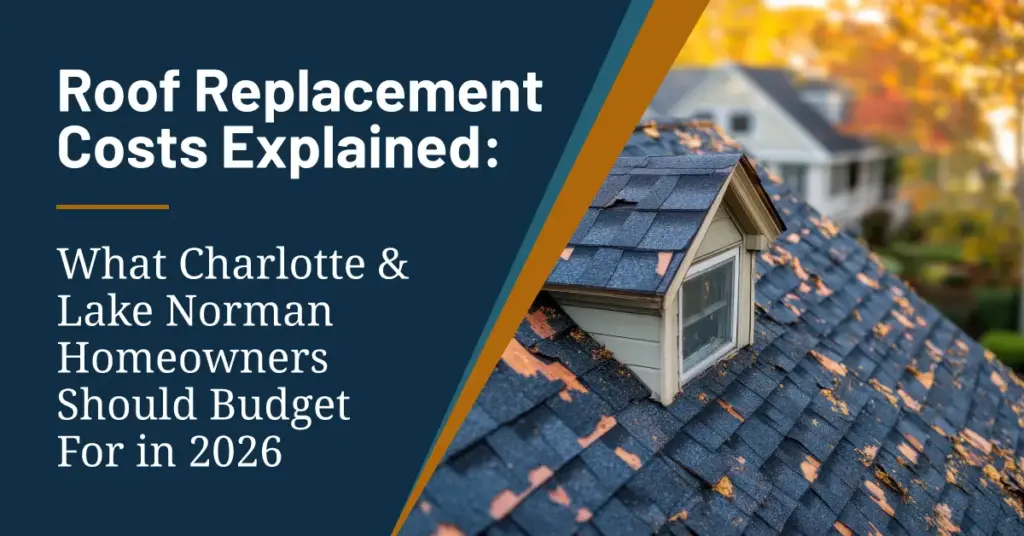
According to the 2025 Roofing Industry Association (RIA) market report, the average cost per square foot for a new roof increased by 12 % year‑over‑year, reaching $12‑$18 depending on material. Several forces are behind this surge:
- Material inflation: Asphalt shingles, the most common roofing material, climbed 10 % in price due to petroleum‑based polymer costs. Metal and slate saw even higher spikes, with copper roofing up 18 %.
- Labor scarcity: The U.S. Bureau of Labor Statistics recorded a 7 % shortage of skilled roofers in 2025, pushing wages up by $2‑$4 per hour.
- Energy codes: New federal guidelines require higher R‑values and reflective coatings, adding $1,200‑$2,500 to a typical residential project.
- Supply‑chain disruptions: Global logistics bottlenecks delayed deliveries of underlayment and flashing, increasing overhead for contractors.
Breaking Down the Total Price
When you request a roof installation estimate, the quoted figure usually includes the following line items:
Table of Contents
- Why the Roof Replacement Cost Has Jumped in 2026
- Breaking Down the Total Price
- 1. Materials
- 2. Labor
- 3. Tear‑off and Disposal
- 4. Underlayment, Flashing, & Ventilation
- 5. Permit & Inspection Fees
- Average Roof Replacement Cost 2026 by Home Size
- How to Keep Your Roof Replacement Cost Under Control
- Choose the Right Material for Your Climate
- Plan for Off‑Season Installation
- Combine Roof Work with Siding or Insulation Upgrades
- Obtain Multiple Detailed Quotes
- Leverage Manufacturer Rebates
- Common Mistakes that Inflate the Roof Replacement Cost
- Real‑World Case Study: A 2,200‑Sq‑Ft Home in Austin, Texas
- Frequently Asked Questions
- What is the average cost per square foot for roof replacement in 2026?
- Is it cheaper to repair than replace?
- How long does a roof replacement take?
- Do I need a building permit?
- Can I finance my roof replacement?
- Future Outlook: What to Expect After 2026
1. Materials
Material costs are the most variable component. Here’s a quick snapshot of common options in 2026:
| Material | Average Cost per Sq Ft | Typical Lifespan |
|---|---|---|
| Architectural asphalt shingles | $8‑$11 | 20‑30 years |
| Metal (steel or aluminum) | $12‑$16 | 40‑60 years |
| Clay or concrete tiles | $15‑$20 | 50‑100 years |
| Slate | $18‑$25 | 80‑120 years |
2. Labor
Labor accounts for roughly 35‑40 % of the total. In high‑demand markets such as the Pacific Northwest, hourly rates can exceed $85 for a crew lead.
3. Tear‑off and Disposal
Removing the existing roof adds $1‑$2 per square foot. If your home has multiple layers, the cost rises because of extra weight and disposal fees.
4. Underlayment, Flashing, & Ventilation
These “hidden” items contribute $1,000‑$2,500 to the final bill. Proper ventilation is now a code requirement in most states, especially for homes with attic‑space solar panels.
5. Permit & Inspection Fees
Municipal permits range from $150 to $600, depending on jurisdiction. Some cities also require a post‑install inspection, which can add $100‑$250.
Average Roof Replacement Cost 2026 by Home Size
Below is a practical guide for typical U.S. single‑family homes. Numbers are rounded averages from the 2025 RIA data set and reflect the national median.
- 1,200‑sq‑ft home: $12,800 ‑ $22,500
- 1,800‑sq‑ft home: $19,200 ‑ $33,750
- 2,500‑sq‑ft home: $27,000 ‑ $48,750
These ranges assume a standard pitch roof (4/12) with no structural repairs. Complex rooflines, steep pitches, or additional skylights can add 15‑30 % to the baseline cost.
How to Keep Your Roof Replacement Cost Under Control
While some expenses are non‑negotiable, strategic decisions can trim the final amount without sacrificing durability.
Choose the Right Material for Your Climate
In hot, sunny regions, reflective metal roofs reduce cooling bills by up to 20 %. In cooler zones, synthetic slate offers a low‑maintenance alternative to natural stone at a 30 % lower price point. Aligning material choice with local weather can offset higher upfront costs through energy savings.
Plan for Off‑Season Installation
Contractors often lower rates during the late fall or early spring when demand dips. A 5‑10 % discount is common if you schedule the project outside the peak summer window.
Combine Roof Work with Siding or Insulation Upgrades
Bundling multiple exterior projects can reduce mobilization fees and material waste. For example, a homeowner who replaced both roof and siding in 2026 reported a combined saving of $3,200 compared to separate contracts.
Read more about coordinating exterior improvements in Top 7 Strategies to Find the Best Roofing and Siding Contractors Near Me in 2026.
Obtain Multiple Detailed Quotes
Request at least three itemized proposals that break down each line item. Compare not just total price but also warranty terms, material brand, and labor guarantees.
Leverage Manufacturer Rebates
Many roofing manufacturers run seasonal rebate programs for certified installers. In 2026, GAF offered a $500 rebate on its Timberline HD shingles when paired with ENERGY STAR‑rated underlayment.
Common Mistakes that Inflate the Roof Replacement Cost
Even seasoned homeowners fall into traps that drive up expenses:
- Skipping the roof inspection: Undetected rot or water damage can lead to costly structural repairs later.
- Choosing the lowest bid without vetting credentials: Unlicensed crews may cut corners on flashing, leading to premature leaks.
- Ignoring ventilation: Poor airflow can shorten shingle life by 25 % and increase cooling loads.
- Delaying the project: Postponement often results in higher material prices due to inflation.
Real‑World Case Study: A 2,200‑Sq‑Ft Home in Austin, Texas
John and Maya Martinez hired a local contractor in March 2026 to replace their aging asphalt roof. Their initial estimate was $23,600, but after applying the strategies above, the final invoice came to $20,850—a 12 % reduction.
- Material selection: Opted for a reflective metal panel with a 10‑year warranty, saving $1,200 on long‑term energy costs.
- Off‑season discount: Negotiated a 7 % labor discount for a late‑winter start.
- Bundled siding repair: Combined a small siding patch with the roof job, eliminating a separate mobilization fee of $800.
The Martinezes also installed a smart attic ventilation system, which they learned about from Smart Gadgets That Make Daily Living Feel Smarter – Save Money & Boost Efficiency in 2026. The system reduced attic temperature by 15 °F, further lowering their cooling bills.
Frequently Asked Questions
What is the average cost per square foot for roof replacement in 2026?
Nationally, the average ranges from $12 to $18 per square foot, varying by material and region.
Is it cheaper to repair than replace?
Minor leaks or localized shingle damage can be fixed for $300‑$800. However, when more than 25 % of the roof is compromised, replacement becomes more cost‑effective due to labor and material efficiencies.
How long does a roof replacement take?
For a standard 1,800‑sq‑ft home, the process typically spans 3‑5 business days, plus 1‑2 days for material delivery and final inspection.
Do I need a building permit?
Yes, most municipalities require a permit for any roof work that involves structural changes or material upgrades. Check your city’s building department website for exact fees.
Can I finance my roof replacement?
Many lenders offer home‑equity loans or 0 % APR promotional financing for qualified borrowers. Always compare APR, term length, and any pre‑payment penalties before committing.
Future Outlook: What to Expect After 2026
Industry analysts at the 2026 International Roofing Expo predict a gradual stabilization of material costs as manufacturers adopt recycled composites and 3‑D‑printed metal panels. Additionally, the federal Inflation Reduction Act’s tax credits for energy‑efficient roofs may offset up to 30 % of installation costs for qualifying homes.
Staying informed about upcoming incentives and emerging technologies—like solar‑integrated shingles—will keep your roof investment resilient and financially smart.
By understanding the detailed breakdown of roof replacement cost 2026, leveraging seasonal discounts, and aligning material choices with climate and energy goals, you can navigate the market confidently and protect the most valuable asset on your property: your home.