Choosing the right vinyl siding and roof combination is essential for maximizing curb‑appeal, energy efficiency, and long‑term durability; a mismatched pair can lead to premature wear, higher utility bills, and costly repairs. This guide explains how to evaluate material compatibility, climate considerations, and cost‑effectiveness so homeowners and builders can make data‑driven decisions for 2026 and beyond.
Understanding the Core Benefits of Vinyl Siding
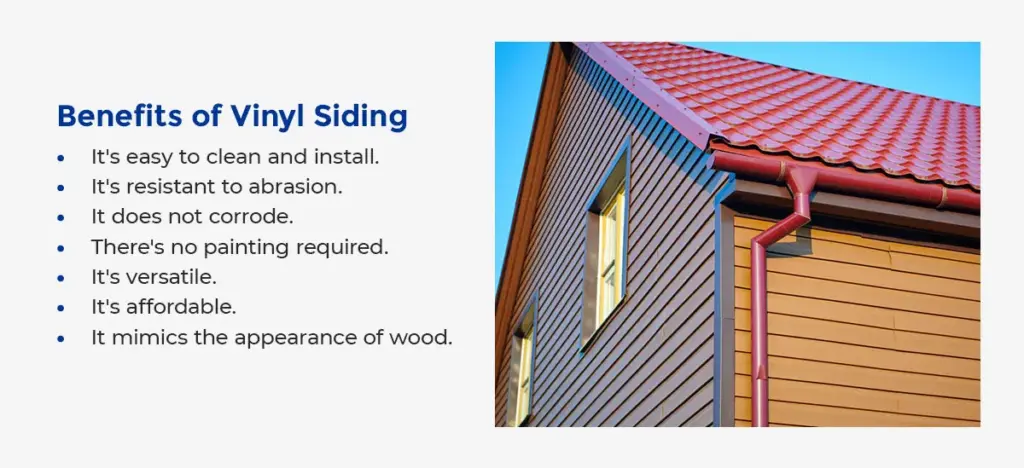
Vinyl siding remains the most popular exterior cladding in North America, with the U.S. Census Bureau reporting that 41 % of new single‑family homes installed it in 2025. Its appeal stems from low maintenance, a wide palette of color options, and resistance to rot and insect damage. Modern formulations incorporate UV‑stabilizers that preserve color integrity for up to 25 years, reducing the need for repainting.
Key Performance Metrics
- Thermal resistance (R‑value): 0.55 – 0.60 per inch, which can be enhanced with insulated back‑sheathing.
- Water penetration resistance: 1,200 mm water column test rating, surpassing many wood‑based alternatives.
- Impact resistance: Meets ASTM D7035 Class C standards, suitable for high‑wind zones.
Roof Types that Complement Vinyl Siding
While vinyl siding is versatile, pairing it with a compatible roof material amplifies performance. The most common roof‑siding pairings include asphalt shingles, metal roofing, and synthetic slate. Each offers distinct advantages that align with vinyl’s characteristics.
Table of Contents
- Understanding the Core Benefits of Vinyl Siding
- Key Performance Metrics
- Roof Types that Complement Vinyl Siding
- Asphalt Shingles + Vinyl Siding
- Metal Roofing + Vinyl Siding
- Synthetic Slate + Vinyl Siding
- Climate‑Driven Decision Making
- Hot, Arid Zones
- Cold, Snow‑Prone Areas
- High‑Wind Coastal Regions
- Cost Comparison and ROI Analysis
- Installation Best Practices for Optimal Performance
- Step‑by‑Step Coordination
- Quality Assurance Checks
- Common Mistakes and How to Avoid Them
- Case Study: Mid‑Size Suburban Home Renovation
- Financing Strategies for Vinyl Siding and Roof Packages
- Future Trends: Smart Siding and Integrated Roofing Systems
- Frequently Asked Questions
- Can vinyl siding be installed over existing wood clapboard?
- Is it necessary to paint vinyl siding?
- How often should the roof‑to‑siding flashing be inspected?
- Do metal roofs affect the warranty of vinyl siding?
- What financing options are most advantageous for a combined siding‑roof project?
Asphalt Shingles + Vinyl Siding
Asphalt shingles dominate the U.S. market, accounting for 71 % of residential roofs in 2026 (National Roofing Contractors Association). When combined with vinyl siding, homeowners benefit from a cohesive aesthetic—both materials are available in coordinated color families, allowing seamless design integration. Moreover, the relatively low cost of asphalt shingles (<$4 per square foot in 2026) keeps the overall project budget manageable.
Metal Roofing + Vinyl Siding
Metal roofing’s reflective surface can reduce roof‑absorbed heat by up to 55 % compared with traditional shingles (U.S. Department of Energy, 2026). Paired with vinyl siding, which already offers modest insulation, the duo can achieve a combined R‑value of 12–14 for walls and roof, contributing to measurable energy savings. The durability of metal—lasting 40–70 years—also means the siding’s lifespan aligns well with the roof’s longevity, avoiding premature replacement cycles.
Synthetic Slate + Vinyl Siding
For upscale projects, synthetic slate provides the visual heft of natural stone while weighing 30 % less, mitigating structural load concerns. When installed over a well‑ventilated roof deck, it works harmoniously with vinyl siding’s moisture‑management system, preventing water intrusion at the wall‑roof interface.
Climate‑Driven Decision Making
Regional weather patterns dictate the optimal siding‑roof pairing. According to the 2026 Climate Adaptation Report from the National Oceanic and Atmospheric Administration (NOAA), the United States experienced a 12 % increase in extreme heat days and a 7 % rise in severe wind events compared with 2020. These trends affect material selection in the following ways:
Hot, Arid Zones
In desert climates, reflective metal roofs paired with light‑colored vinyl siding can lower indoor cooling loads by up to 20 % (Energy Star, 2026). Choosing a high‑gloss vinyl finish further enhances solar reflectance.
Cold, Snow‑Prone Areas
Metal roofing’s low snow‑load accumulation reduces the risk of ice dam formation, a common issue with asphalt shingles. When combined with insulated vinyl siding, the envelope retains heat more effectively, decreasing furnace usage during winter months.
High‑Wind Coastal Regions
Both vinyl siding and metal roofing meet stringent wind‑uplift standards—up to 150 mph for Class C impact‑tested vinyl and 150 mph for standing‑seam metal panels (American Iron and Steel Institute). Ensuring proper fastening—minimum 1‑½ in. screws for siding and concealed clips for metal—prevents wind‑driven failures.
Cost Comparison and ROI Analysis
Understanding the lifecycle cost of a siding‑roof system is critical for budgeting and financing. Below is a simplified cost breakdown based on 2026 market averages:
| Component | Material Cost (per sq ft) | Installation Cost (per sq ft) | Total (per sq ft) |
|---|---|---|---|
| Vinyl siding (standard) | $2.20 | $1.80 | $4.00 |
| Asphalt shingles | $3.80 | $2.20 | $6.00 |
| Metal roofing (standing‑seam) | $7.50 | $3.50 | $11.00 |
| Synthetic slate | $12.00 | $5.00 | $17.00 |
When evaluating return on investment (ROI), consider the following:
- Energy savings: Metal roofing + insulated vinyl siding can cut cooling costs by 15‑20 % in hot climates (DOE, 2026).
- Maintenance reduction: Vinyl siding eliminates repainting; metal roofs require only biennial inspections.
- Resale value: The National Association of Home Builders reports that homes with upgraded exterior envelopes sell 8 % faster and at a 5 % premium.
Installation Best Practices for Optimal Performance
Proper installation is as vital as material selection. Errors such as insufficient flashing, incorrect underlayment, or inadequate ventilation can compromise both siding and roof. Follow these expert guidelines:
Step‑by‑Step Coordination
- Pre‑installation inspection: Verify roof deck integrity, check for rot, and confirm that the roof’s pitch meets manufacturer specifications.
- Weather‑resistant barrier (WRB): Install a self‑adhered WRB over the sheathing before applying roofing underlayment; this provides an extra moisture barrier that works in tandem with vinyl’s water‑shed design.
- Flashing details: Use metal step flashing at the roof‑wall intersection, extending at least 6 in. onto the siding to prevent water infiltration.
- Siding layout: Start at the bottom, allowing a ½‑in. expansion gap at the roof line; this gap accommodates thermal movement and prevents buckling.
- Fastening schedule: Use corrosion‑resistant, 1‑¼ in. nails for siding and 1‑½ in. screws for metal panels, spaced no more than 16 in. apart to meet wind‑load requirements.
Quality Assurance Checks
- Conduct a water test after roofing installation but before siding to confirm flashing integrity.
- Inspect for uniform spacing and alignment of siding panels; misalignment can create gaps that trap moisture.
- Verify that roof ventilation (e.g., ridge vents) operates correctly to avoid condensation that could affect siding.
Common Mistakes and How to Avoid Them
Even seasoned contractors can fall into pitfalls that reduce the lifespan of the siding‑roof system.
- Skipping insulated back‑sheathing: Without this layer, the combined R‑value drops significantly, eroding energy‑efficiency claims.
- Improper color coordination: Choosing a high‑gloss vinyl finish with a matte‑finished roof can create visual dissonance; select complementary palettes early in the design phase.
- Neglecting local code requirements: Certain municipalities mandate hail‑resistant roofing in 2026; verify compliance before finalizing materials.
- Underestimating expansion gaps: Vinyl expands up to 0.25 % with temperature fluctuations; insufficient gaps can lead to warping.
Case Study: Mid‑Size Suburban Home Renovation
A 2,400‑sq ft home in Austin, Texas, underwent a full exterior upgrade in early 2026. The homeowner selected light‑gray insulated vinyl siding paired with a standing‑seam metal roof. Key outcomes included:
- Energy reduction: Annual cooling costs fell from $2,300 to $1,750, a 24 % decrease, verified by a post‑retrofit audit from the U.S. Department of Energy.
- Maintenance savings: No repainting needed; roof required only a mid‑life inspection after 7 years.
- Financial impact: Total project cost was $38,000, offset by a $5,200 federal tax credit for energy‑efficient upgrades (IRS Notice 2026‑12).
For a deeper dive into residential roofing best practices, see the Residential Roofing Services Guide 2026. The guide outlines inspection protocols that align with the installation steps discussed here.
Financing Strategies for Vinyl Siding and Roof Packages
Many homeowners hesitate due to upfront costs, yet financing options have broadened. Soft‑money loans, home‑equity lines of credit (HELOCs), and manufacturer‑offered zero‑interest promotions are now commonplace. According to the Freddie Mac 2026 Home Improvement Financing Report, 38 % of renovation borrowers utilized a HELOC for exterior upgrades, citing lower interest rates and tax-deductible interest as primary incentives.
When evaluating financing, compare:
- Interest rates (fixed vs. variable)
- Loan-to-value (LTV) limits—most lenders allow up to 80 % of home equity.
- Repayment terms—shorter terms reduce total interest paid but increase monthly outlay.
For a comprehensive overview of financing options, consult the Roof and Siding Financing 2026 article, which breaks down lender criteria and eligibility requirements.
Future Trends: Smart Siding and Integrated Roofing Systems
Emerging technologies are reshaping the siding‑roof ecosystem. Integrated solar shingles and photovoltaic‑enabled vinyl panels are entering pilot programs in California and Florida. By 2026, the Solar Energy Industries Association (SEIA) projected a 15 % adoption rate for solar‑compatible exteriors in new construction.
Additionally, “smart” vinyl siding equipped with embedded moisture sensors can alert homeowners to leaks before they become visible, interfacing with home automation platforms like Apple HomeKit. Pairing these innovations with reflective metal roofs creates a self‑optimizing envelope that adjusts ventilation based on real‑time humidity data.
Conclusion: Making the Right Choice for 2026 and Beyond
Choosing the optimal vinyl siding and roof combination requires a holistic view of material performance, climate considerations, cost analysis, and future‑proofing potential. By aligning insulated vinyl siding with a high‑efficiency roof—whether asphalt shingles for budget‑sensitivity, metal for energy gains, or synthetic slate for premium aesthetics—homeowners can achieve superior durability, lower operating costs, and increased property value. Leverage the best‑practice installation steps, avoid common pitfalls, and explore modern financing to turn this strategic upgrade into a financially sound investment.
Frequently Asked Questions
Can vinyl siding be installed over existing wood clapboard?
Yes, provided the existing sheathing is sound, free of rot, and properly insulated. Install a weather‑resistant barrier and furring strips to create a flat surface before applying the vinyl.
Is it necessary to paint vinyl siding?
Modern vinyl siding is factory‑colored and UV‑stable, eliminating the need for repainting. However, a translucent sealant can be applied to boost water resistance in extreme climates.
How often should the roof‑to‑siding flashing be inspected?
Annual inspections are recommended, especially after severe weather events. Replace any corroded flashing promptly to maintain the envelope’s integrity.
Do metal roofs affect the warranty of vinyl siding?
Manufacturers generally allow for different roof types, but verify that the flashing details meet both the roof and siding warranty requirements to avoid voiding coverage.
What financing options are most advantageous for a combined siding‑roof project?
HELOCs often provide the lowest interest rates and tax benefits. For homeowners with strong credit, zero‑interest promotional financing from siding manufacturers can also be advantageous.
By integrating these insights, professionals can confidently recommend and implement vinyl siding and roof combinations that stand the test of time, climate change, and evolving market expectations.
For additional guidance on selecting the right contractor, see Best Roofing and Siding Company 2026. If you’re interested in the environmental impact of your choices, explore the Energy‑Efficient Roofing and Siding: Expert Guide to Savings, Materials & ROI in 2026.