When businesses need a reliable roof that can withstand heavy traffic, harsh weather, and strict code requirements, hiring the right commercial roofing contractor is the first and most critical step. A qualified contractor not only ensures a proper roofing system installation but also delivers long‑term maintenance plans, warranty protection, and compliance with energy‑efficiency standards, all of which directly affect a company’s bottom line.
Why Choosing the Right Commercial Roofing Contractor Matters
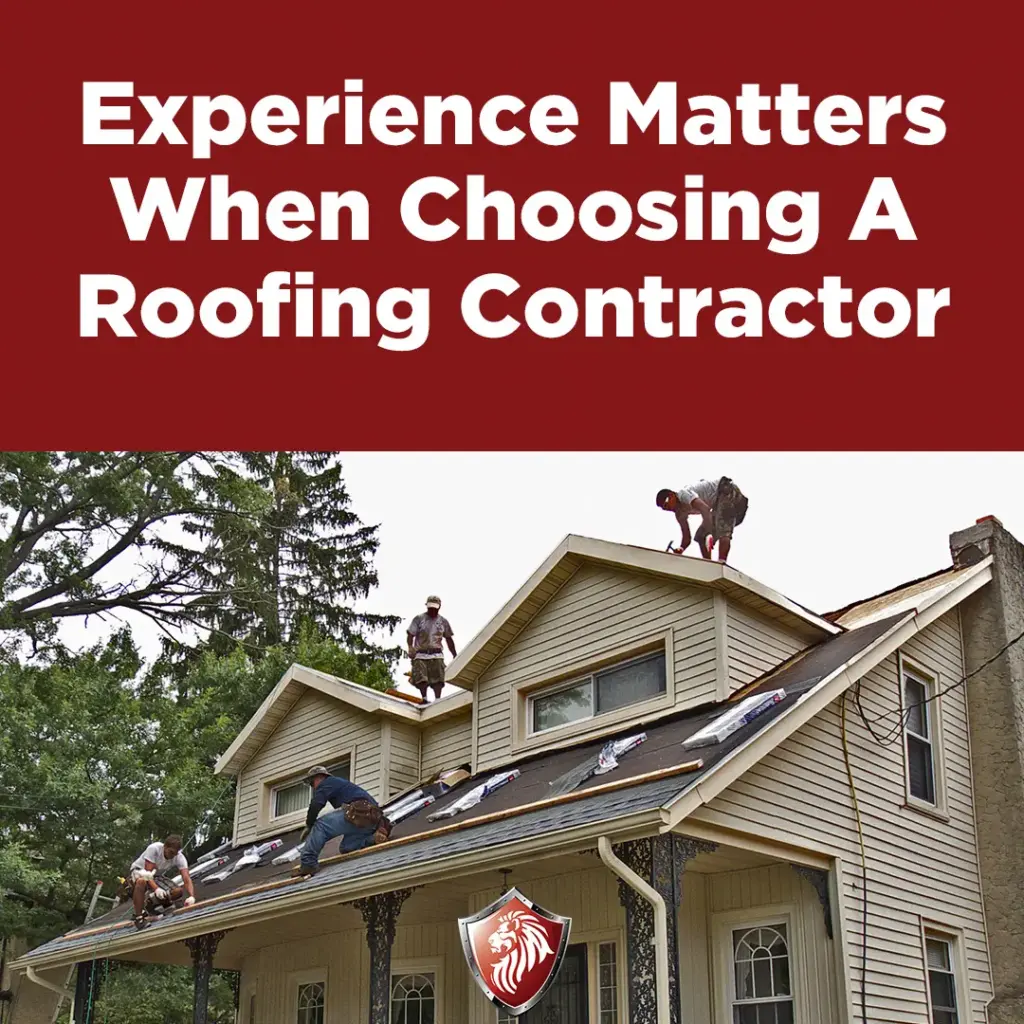
Commercial roofs differ fundamentally from residential ones. They often cover larger surface areas, use specialized materials such as TPO, EPDM, or metal panels, and must support equipment loads like HVAC units. Selecting a contractor with proven expertise in industrial roofing solutions reduces the risk of premature leaks, costly repairs, and downtime that can interrupt operations. According to the 2026 Roofing Industry Report by the National Roofing Contractors Association (NRCA), projects led by certified contractors experience 30% fewer warranty claims over a five‑year period.
Core Criteria for Evaluating Contractors
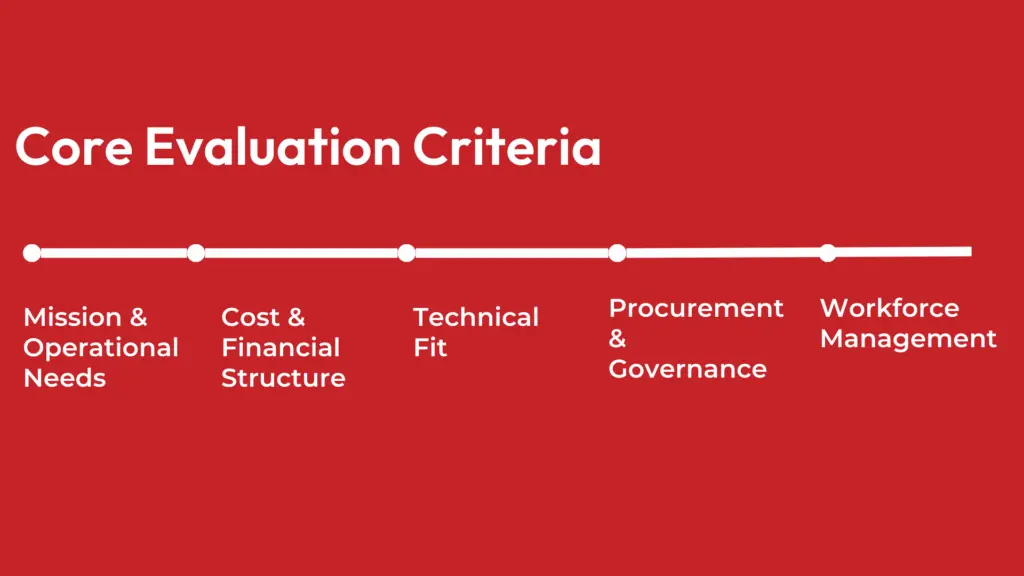
1. Licensing, Insurance, and Certifications
All reputable commercial roofing contractors hold state‑issued licenses, workers’ compensation, and general liability insurance. Look for additional credentials such as the NRCA’s Certified Roofing Contractor (CRC) program or manufacturers’ installer certifications (e.g., GAF, Carlisle). These credentials confirm that the crew follows industry best practices and can access premium material warranties.
Table of Contents
- Why Choosing the Right Commercial Roofing Contractor Matters
- Core Criteria for Evaluating Contractors
- 1. Licensing, Insurance, and Certifications
- 2. Experience with Specific Roofing Systems
- 3. Financial Stability and Warranty Programs
- 4. Portfolio and References
- Cost Drivers in Commercial Roofing Projects
- Integrating Sustainability and Energy Efficiency
- Project Management Best Practices
- Pre‑Construction Phase
- Scheduling and Coordination
- Quality Assurance and Final Acceptance
- Case Study: Revitalizing a Manufacturing Plant’s Roof
- Common Mistakes to Avoid When Hiring Commercial Roofing Contractors
- Financing Commercial Roofing Projects
- Frequently Asked Questions
- What is the typical lifespan of a commercial roofing system?
- How often should a commercial roof be inspected?
- Can I install solar panels on an existing commercial roof?
- What warranty should I expect?
- How do I evaluate a contractor’s safety record?
- Next Steps for Business Owners
- Additional Resources
2. Experience with Specific Roofing Systems
Flat roof maintenance, for instance, requires expertise in drainage design and membrane seams. If your building uses a single‑ply TPO system, verify that the contractor has completed at least three similar installations in the past two years. This experience translates into smoother roofing system installation and faster issue resolution.
3. Financial Stability and Warranty Programs
A financially stable contractor can absorb the costs of unexpected site conditions without compromising quality. Review their financial statements or credit ratings, and ask for a detailed roof warranty program. Comprehensive warranties often cover material defects, workmanship, and even include performance guarantees related to energy savings.
4. Portfolio and References
Request a portfolio of recent projects, focusing on commercial properties comparable to yours. Speaking directly with past clients reveals insights about project timelines, communication style, and post‑installation support. The NRCA notes that 78% of owners who consulted references reported higher satisfaction levels.
Cost Drivers in Commercial Roofing Projects
Understanding the cost structure helps you negotiate realistic budgets and avoid hidden fees. In 2026, the average cost per square foot for commercial flat roofing ranged from $5.20 to $9.80, depending on material choice and site complexity. Key cost components include:
- Material selection: EPDM membranes are typically cheaper than high‑performance TPO, but TPO offers better reflectivity and lower cooling loads.
- Roof slope and accessibility: Steeper roofs or limited access increase labor hours and safety equipment needs.
- Existing roof removal: Full tear‑off versus overlay impacts disposal costs and waste management.
- Energy‑efficient upgrades: Adding cool‑roof coatings can reduce cooling expenses by up to 15%, as highlighted in the energy‑efficient roofing and siding guide.
Integrating Sustainability and Energy Efficiency
Today’s commercial roofing contractors are expected to deliver sustainable solutions that align with corporate ESG goals. Green roofs, solar‑ready membranes, and high‑reflectivity coatings are increasingly standard. The 2026 Green Building Council (GBC) survey shows that 62% of facility managers prioritize roofing options that contribute to LEED certification or Net‑Zero targets.
When discussing sustainability, ask the contractor about:
- Use of recycled content in membrane materials.
- Compatibility with photovoltaic panels.
- Life‑cycle cost analysis that includes energy savings.
- Compliance with local climate‑action ordinances.
Project Management Best Practices
Pre‑Construction Phase
Start with a comprehensive commercial roof inspection performed by a third‑party engineer. This inspection identifies hidden damage, structural deficiencies, and necessary repairs before the new roofing system is installed. The inspection report becomes the baseline for the contract scope and helps avoid change orders later.
Scheduling and Coordination
Commercial roofs often require coordination with other trades—electrical, mechanical, and fire‑safety teams. A seasoned contractor will develop a detailed Gantt chart, outlining critical path items, and provide weekly progress updates. According to a 2025 study by Construction Management Association of America (CMAA), projects with clear scheduling communication experience 20% fewer delays.
Quality Assurance and Final Acceptance
Upon completion, the contractor should conduct a walk‑through with the owner, reviewing the warranty paperwork, maintenance schedule, and as‑built drawings. A final punch‑list ensures that any minor deficiencies are addressed before the project is officially closed.
Case Study: Revitalizing a Manufacturing Plant’s Roof
A mid‑size manufacturing facility in the Midwest faced recurring leaks on its 30,000‑square‑foot flat roof, leading to production halts. The plant owner engaged a commercial roofing contractor with a strong track record in industrial roofing solutions. After a thorough commercial roof inspection, the contractor recommended a full tear‑off of the deteriorated EPDM membrane and replacement with a TPO system equipped with a high‑reflectivity coating.
The project timeline was eight weeks, during which the contractor coordinated with the plant’s maintenance team to keep critical operations running. Post‑installation, the facility reported a 12% reduction in cooling costs during summer months and zero roof‑related downtime for the following two years. The success was attributed to the contractor’s rigorous quality control and a comprehensive roof warranty that covered both material and workmanship for ten years.
Common Mistakes to Avoid When Hiring Commercial Roofing Contractors
- Choosing based solely on price: Low bids often hide inferior materials or insufficient labor coverage, leading to higher life‑cycle costs.
- Neglecting to verify insurance and bonding: Uninsured contractors can expose your business to liability in case of accidents.
- Skipping a third‑party inspection: Relying only on the contractor’s assessment can miss underlying structural issues.
- Overlooking maintenance contracts: A roof’s performance deteriorates without regular flat roof maintenance and inspections.
- Ignoring local building codes: Non‑compliance can result in fines, forced rework, or insurance claim denials.
Financing Commercial Roofing Projects
Large‑scale roofing projects can strain capital budgets, but several financing options exist. Energy‑efficient upgrades may qualify for federal tax credits or utility rebates, while many contractors partner with financing firms to offer low‑interest loans. The roof and siding financing guide outlines smart strategies for structuring payments, leveraging tax incentives, and evaluating total return on investment (ROI).
Frequently Asked Questions
What is the typical lifespan of a commercial roofing system?
Durable systems such as metal panels or TPO membranes can last 20‑30 years with proper maintenance, while built‑up roofing (BUR) averages 15‑20 years.
How often should a commercial roof be inspected?
The NRCA recommends biannual inspections—once in the spring and once in the fall—plus an additional check after severe weather events.
Can I install solar panels on an existing commercial roof?
Yes, but the roof must meet structural load requirements and have a compatible roofing membrane. Many contractors now offer solar‑ready roofing systems that simplify future panel installations.
What warranty should I expect?
A reputable contractor provides a written roof warranty program covering materials (typically 10‑20 years) and workmanship (often 5‑10 years). Some manufacturers extend warranties for cool‑roof coatings or reflective membranes.
How do I evaluate a contractor’s safety record?
Request OSHA 300 logs and review the contractor’s safety program. A strong safety culture reduces the likelihood of on‑site accidents, which can delay the project.
Next Steps for Business Owners
1. Conduct a third‑party commercial roof inspection.
2. Compile a shortlist of contractors with verified licenses, insurance, and relevant certifications.
3. Request detailed proposals that break down material costs, labor, warranty terms, and projected energy savings.
4. Compare financing options and consider long‑term ROI, not just upfront price.
5. Select a contractor who demonstrates transparent communication, robust project management, and a commitment to sustainability.
By following these guidelines, you’ll secure a roofing solution that protects your assets, enhances energy efficiency, and supports your organization’s growth for decades to come.
Additional Resources
For a broader overview of top service providers, see the best roofing and siding company 2026 guide. If you need to address unexpected damage, the storm‑damage roof repair strategies article offers actionable steps to restore and reinforce your commercial roof quickly.